



 0 / 5
0 / 5 
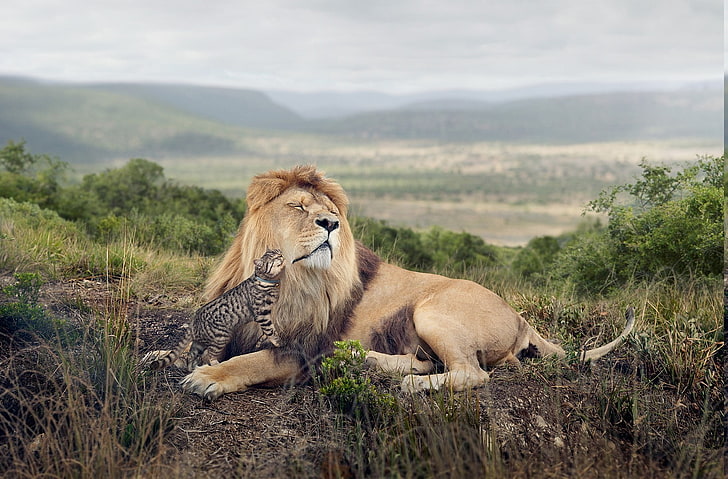
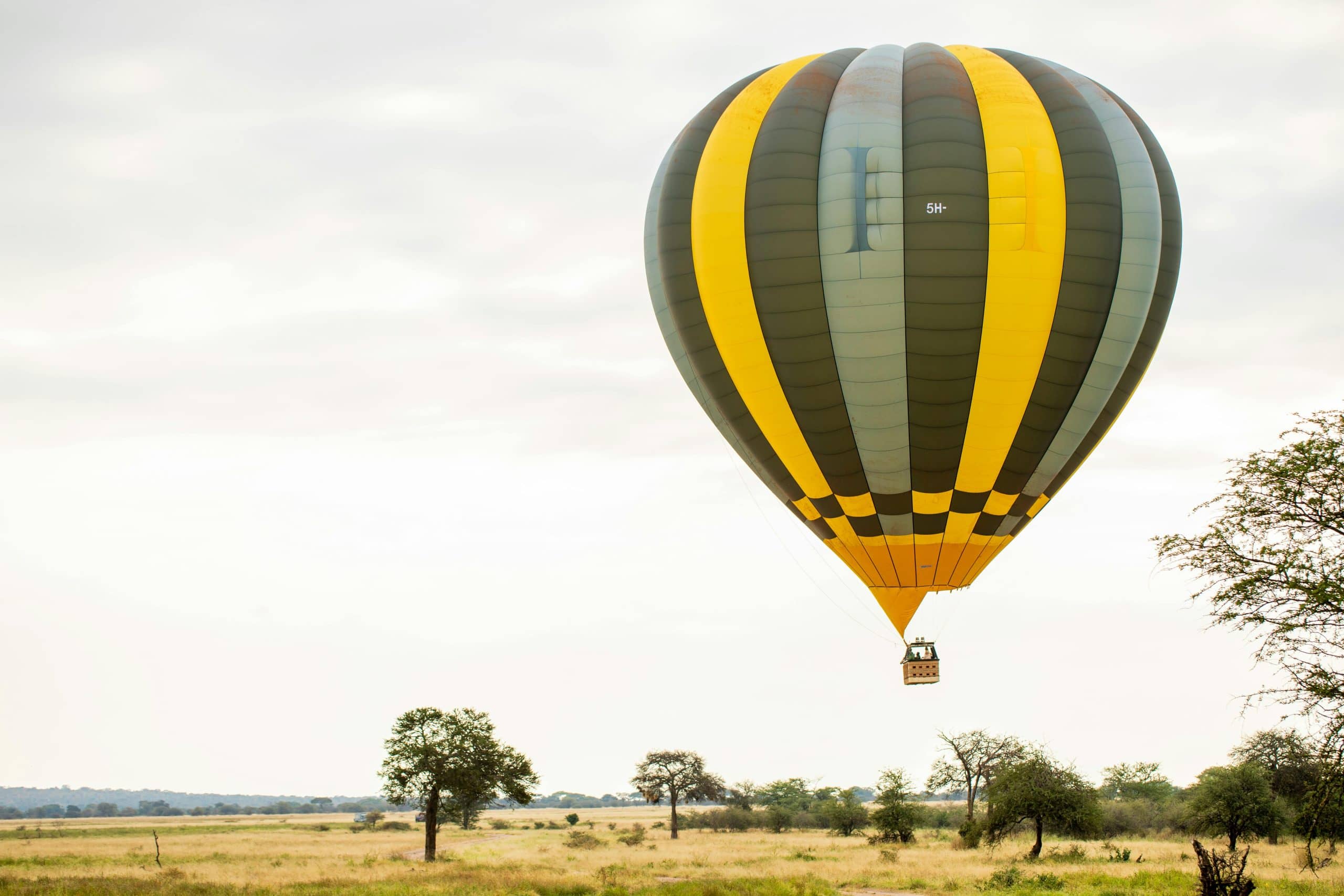
Kenya is renowned for its breathtaking landscapes, diverse wildlife, and thriving ecosystems, making it one of the top safari destinations in the world. However, choosing the right time to embark on a safari is crucial for maximizing your experience. Each season offers unique opportunities for wildlife viewing, landscape beauty, and climate conditions. In this blog post, we will explore the best times for Kenya safaris, focusing on what to expect during different seasons and the wildlife experiences you shouldn’t miss.
Overview of Kenya’s Seasons
Kenya’s climate can generally be divided into two main seasons: the dry season and the rainy season. Each season brings different wildlife behaviors and viewing opportunities.
- The Dry Season (June to October)
Overview: The dry season is often considered the best time for a safari in Kenya, especially for those aiming to see large concentrations of wildlife. The weather is warm and sunny, with minimal rain, making game drives more comfortable.
Key Highlights:
- Wildlife Visibility: Animals congregate around waterholes and rivers, making them easier to spot. The visibility of wildlife is at its peak, especially in Maasai Mara and Amboseli.
- The Great Migration: From July to October, the Great Migration takes place, as millions of wildebeests and zebras cross the Mara River into Maasai Mara from the Serengeti in search of greener pastures. This spectacular event is a must-see for any safari enthusiast.
- Perfect Weather: Temperatures range from mild to warm, making outdoor activities like game drives and walking safaris enjoyable.
- The Short Rains (November to December)
Overview: The period from late November to December sees light rains, which is often referred to as the “short rains” season. Though there is an increase in precipitation, safaris during this time have their own unique appeal.
Key Highlights:
- Lush Landscapes: The short rains rejuvenate the landscapes, resulting in lush greenery that provides a beautiful backdrop for photography.
- Less Crowded Parks: With fewer tourists during the short rains, you can enjoy a more intimate safari experience, with increased chances of spotting wildlife without the crowds.
- Migratory Birds: This is an excellent time for birdwatching, as migratory birds arrive in the region, adding to the diverse avian population.
- The Long Rains (March to May)
Overview: The long rainy season typically occurs from March to May. This period is characterized by heavier rainfall and cooler temperatures. While it may not be the most popular time for safaris, it offers a different experience.
Key Highlights:
- Fewer Tourists: The parks are less crowded during the long rains, allowing you to explore wildlife areas with relative solitude.
- Increased Wildlife Activity: Animals are more vibrant during this time due to the availability of food and water. You may see many animals with their young offspring during this season.
- Green Scenery: The rains transform the savannah into a lush landscape, making for stunning scenery that contrasts beautifully with the animals.
Considerations for Choosing the Best Time
- Your Wildlife Preferences
- If you are keen on witnessing the Great Migration, plan your visit between July and October.
- For general wildlife viewing and birdwatching, the dry season and short rains will be your best bet.
- Comfort with Weather Conditions
- The dry season offers warm and dry conditions, while the rainy seasons can be cooler and wet. Consider what type of weather you’re most comfortable in during outdoor activities.
- Crowd Preferences
- If you prefer to avoid crowds, choose the shoulder seasons (short rains) or the long rains when fewer tourists visit.
- Budget-Friendly Options
- Traveling during the low season (long rains) often allows for lower rates on accommodations and tours, making it an attractive option for budget-conscious travelers.
Conclusion
The best time for Kenya safaris largely depends on your specific interests, timing, and what you most want to experience. The dry season (June to October) is typically the prime time for wildlife visibility, especially during the Great Migration. However, the short rains offer lush landscapes and fewer crowds, while the long rains can provide a tranquil and unique safari experience.
No matter when you choose to visit, the magic of Kenya’s wildlife and stunning scenery will undoubtedly leave you with unforgettable memories. Start planning your safari adventure today, and get ready to explore the incredible wild heart of Africa!